

February 17 is Random Acts of Kindness Day, the perfect opportunity to help children practice meaningful social-emotional skills that last a lifetime. Kindness isn’t just something kids learn once—it’s a skill they build through everyday experiences at school, home, and in homeschool settings.
To help children grow into thoughtful, confident, and compassionate learners, we’re sharing three essential kindness skills—sharing, caring, and bravery—along with playful, hands-on activities that make practicing kindness fun and memorable.
To encourage kids to step into their Super Selves, Learning Resources® Super Selves!™ Reward Capes help children build confidence as they practice positive behaviors like empathy, generosity, and courage.
Skill 1: Sharing — A Foundation for Kindness
Sharing is one of the easiest ways for children to show kindness in the classroom and beyond. Kids who learn to share develop empathy, build friendships more easily, and gain a deeper appreciation for what they have.
Slip on the Super Selves Sharing Cape as a visual reminder and try these age-appropriate sharing activities:
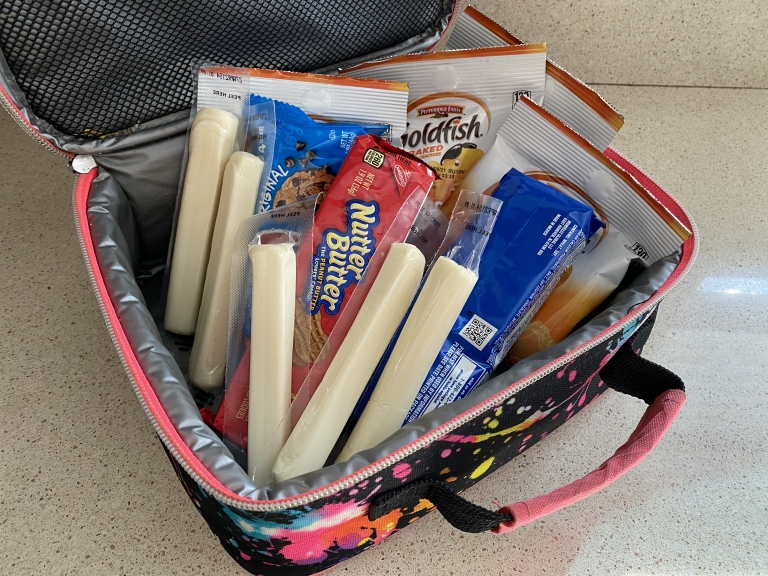
Share Snacks
Send a few extra pre-packaged snacks—such as chips, cookies, or string cheese—to school. Encourage your child to notice a classmate who may feel left out or forgot their snack and offer one to them.
Teacher note: Always check your school or district policies regarding food sharing.
Share Toys
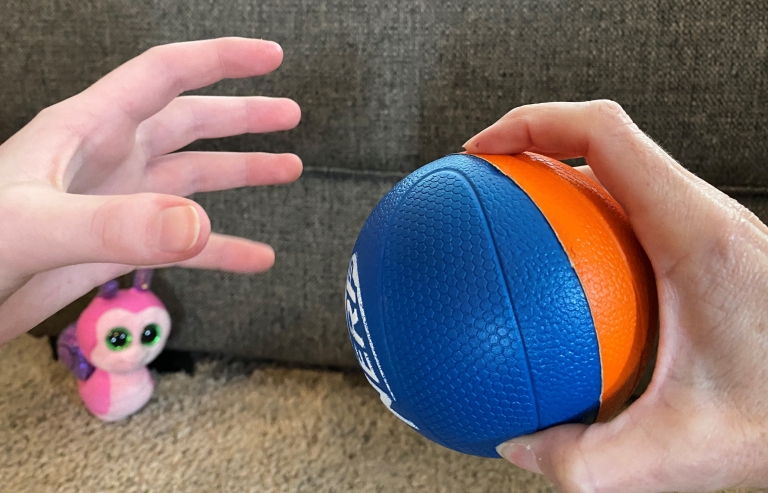
At home, model sharing by asking to play with one of your child’s toys while offering one of yours in return. Once they’re comfortable, challenge them to share a favorite toy with a friend at preschool, daycare, or during a playdate.
These simple moments help children practice generosity in real-life situations.
Skill 2: Caring — Showing Others They Matter
Showing care is a powerful way for kids to express kindness. Whether through words, actions, or creativity, caring behaviors help children strengthen relationships and build emotional awareness.
Put on the Super Selves Caring Cape and explore these thoughtful activities:
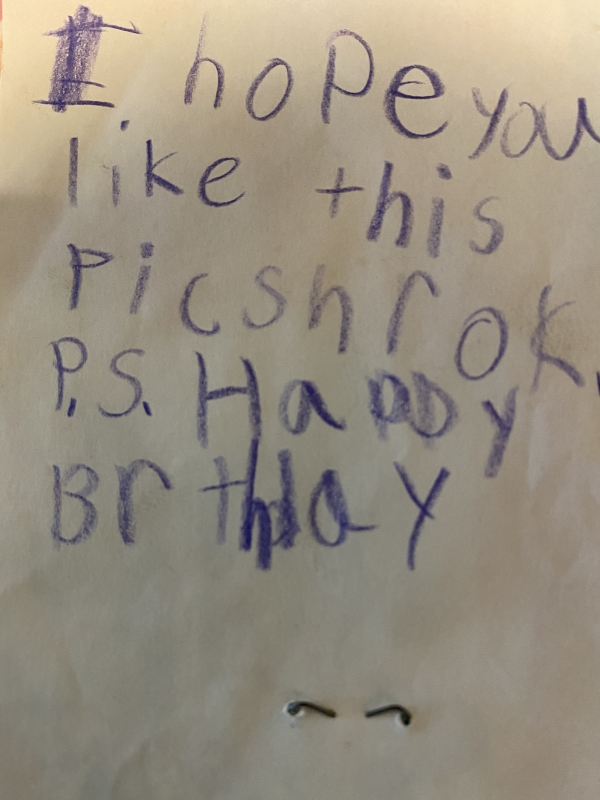
Write Caring Notes
Help your child think of one kind thing to say about each family member or friend. Have them draw a picture, add their message, and mail or deliver the note.
Receiving a handwritten note builds connection and reminds children that their words matter.

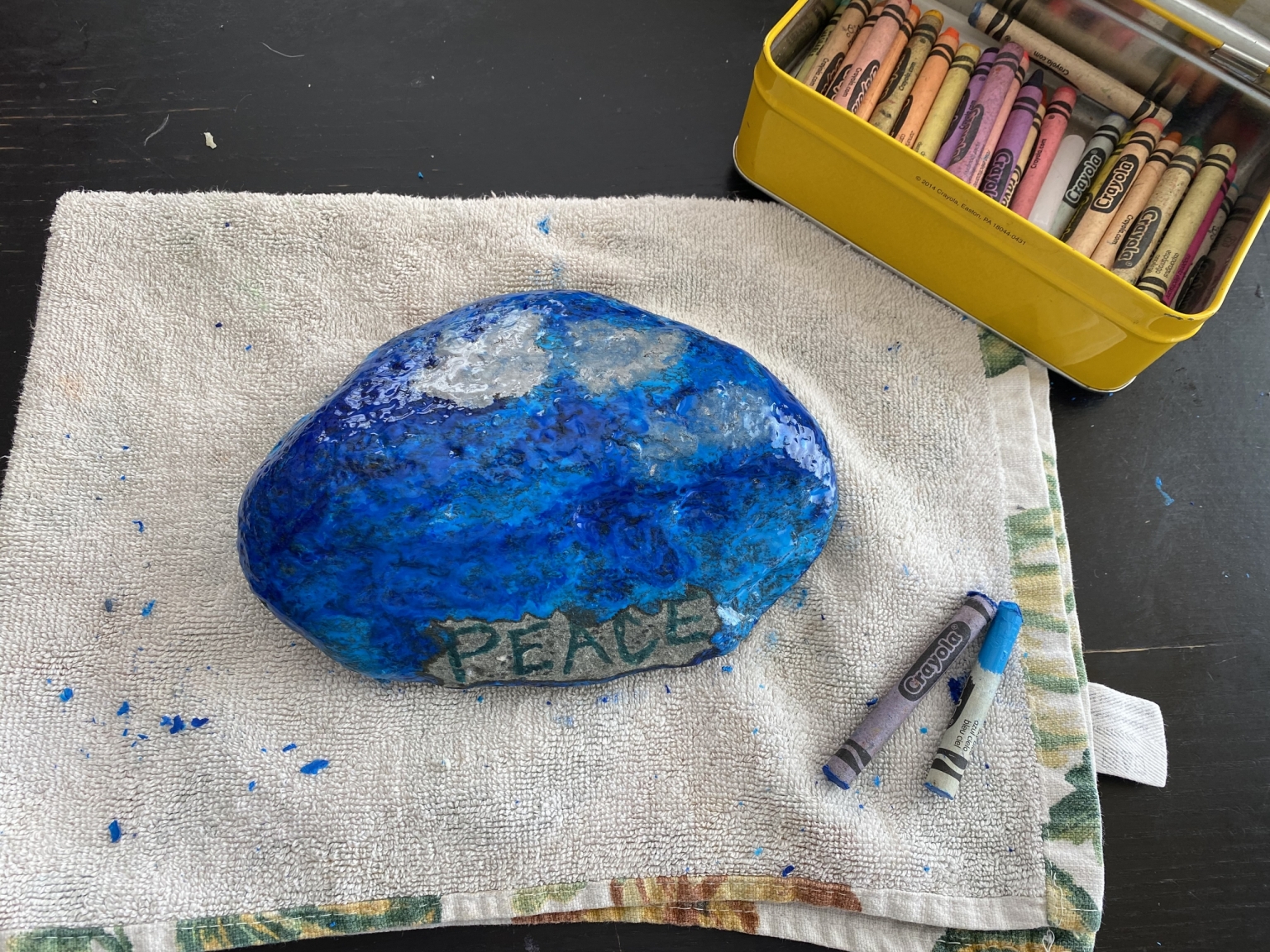
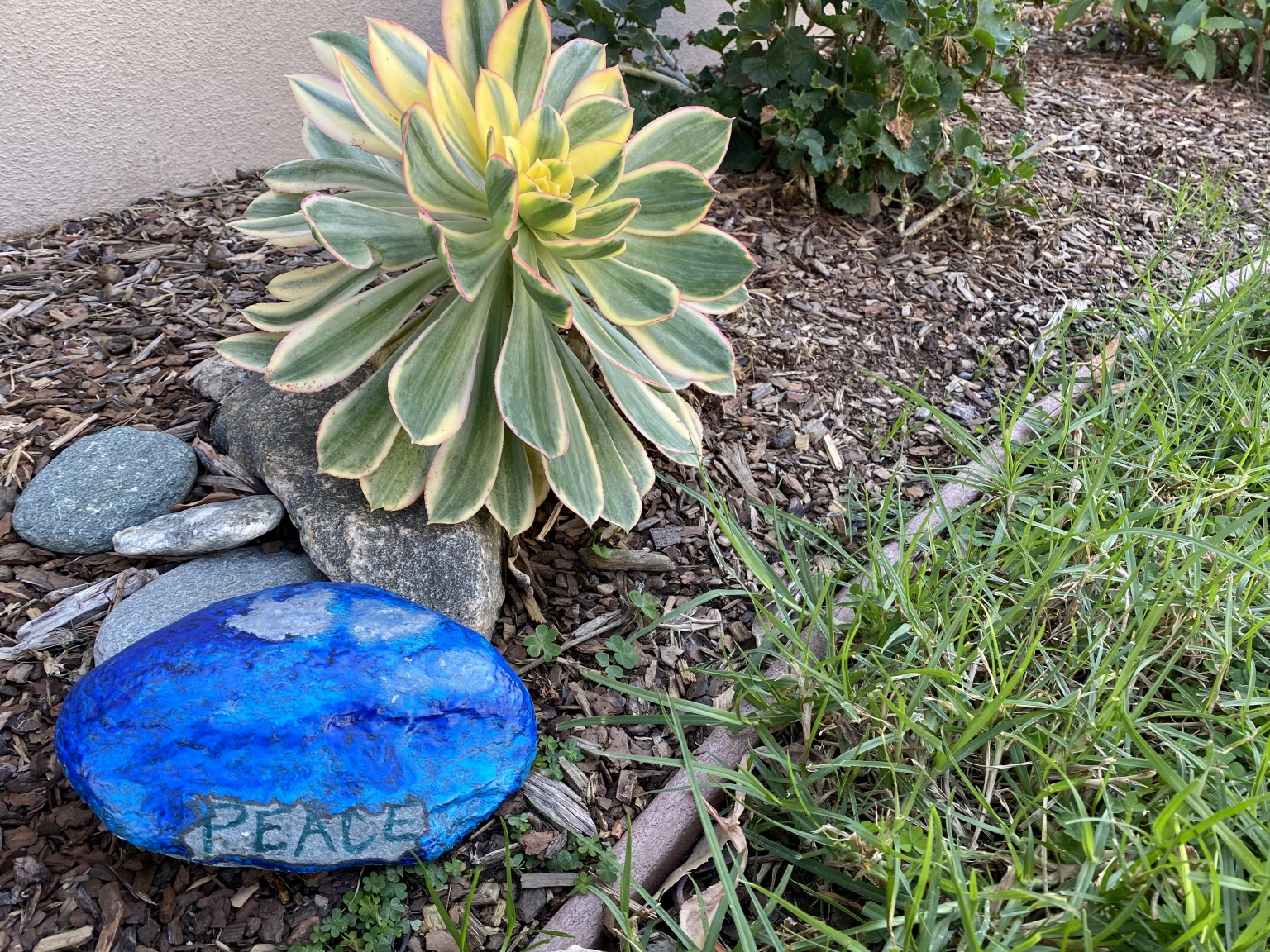
Create Painted Kindness Rocks
- Find medium-sized rocks and rinse them clean
- Heat them in the oven at 350°F for about 15 minutes (adult supervision required)
- Let kids color on the warm rocks with crayons to create melted designs
- Once cooled, write words like Kindness, Love, Peace, or Joy using a marker
Place the rocks in neighbors’ yards or around the community to spread positivity.
Skill 3: Bravery — Kindness Takes Courage
Sometimes kindness requires stepping outside a comfort zone. For many children, small actions—like greeting someone new—can feel intimidating.
The Super Selves Bravery Cape helps children feel confident as they practice brave, kind behaviors such as:
Smiling at Others
Encourage your child to smile at a neighbor, a classmate, or an elderly person at the store. A simple smile can brighten someone’s entire day.
Making Eye Contact
Making eye contact while someone is speaking shows respect and kindness. Practice at home with siblings or family members, then remind your child to try it at school or in public.
Modeling Kindness Every Day
Children learn kindness best by example. Look for everyday opportunities to model thoughtful behavior—holding doors, offering help, smiling at strangers, or surprising someone with a small gift.
When kindness becomes part of daily life, kids naturally follow.
FAQ: Teaching Kindness to Kids
Why is Random Acts of Kindness Day important for children?
It provides a focused opportunity to teach empathy, compassion, and social-emotional skills in a meaningful, age-appropriate way.
How do kindness activities support social-emotional learning (SEL)?
Kindness activities help children practice empathy, self-awareness, relationship-building, and emotional regulation.
Are these activities appropriate for classrooms and homeschool settings?
Yes! These activities work well in classrooms, calming corners, homeschool environments, and family routines.
What age group are these kindness activities best for?
They are ideal for preschool through early elementary students, with simple adaptations for older children.
How do reward capes help encourage positive behavior?
Visual tools like reward capes give children confidence and reinforce positive identity-building behaviors.
3 Simple Skills Kids Can Practice to Encourage Kindness